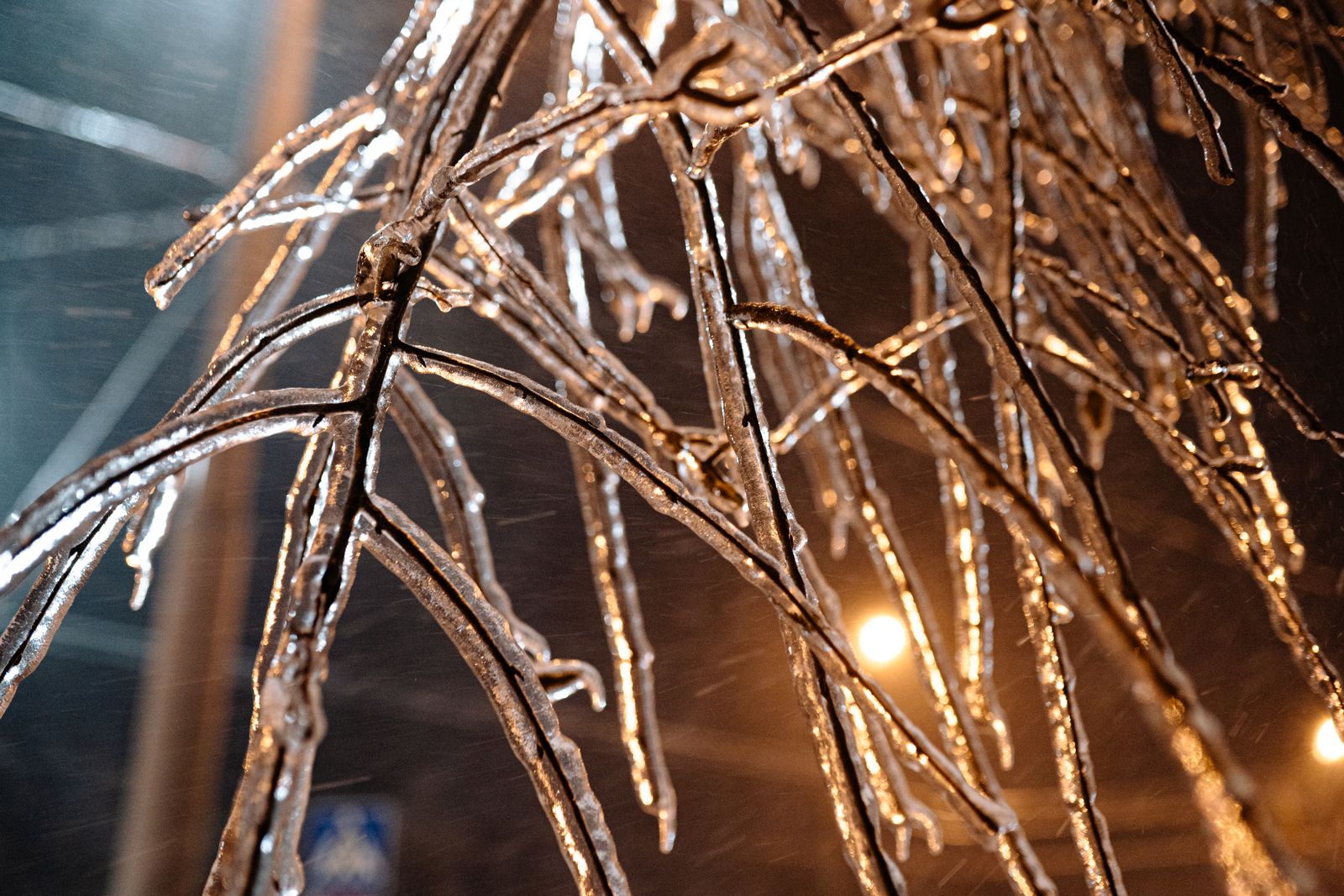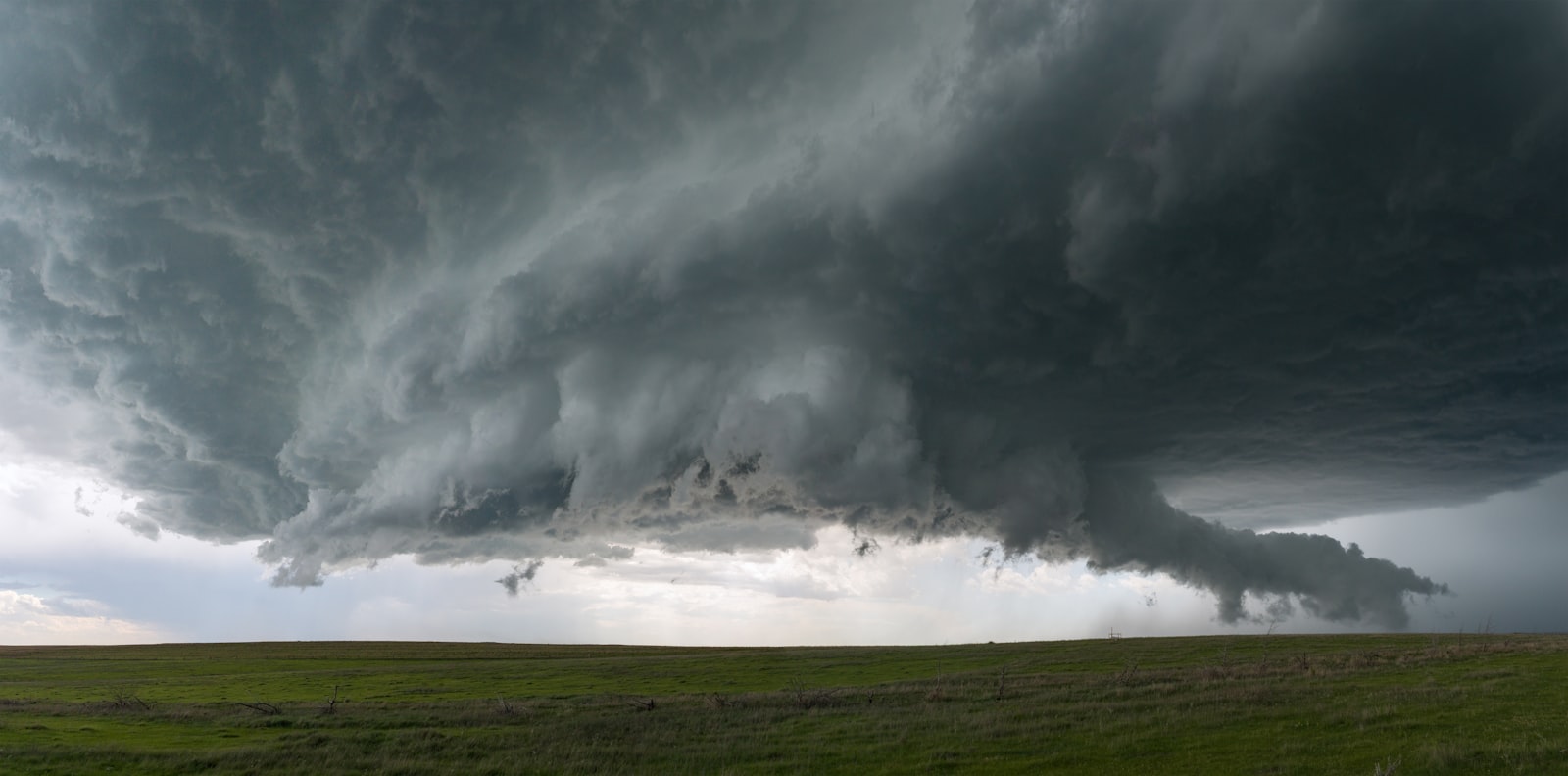
McClain County’s federal disaster file is not a spring-tornado-only story. Pull the county’s recent rows from FEMA’s OpenFEMA Disaster Declarations API and you see the March 2026 Dibble Creek Fire, tornado-and-severe-storm declarations in 2023 and 2024, and a cluster of severe winter and ice-storm designations in late 2020 and February 2021 sitting next to the outbreak weeks people remember from TV.
That mix matters for people living in Newcastle, Blanchard, Purcell, Goldsby, and the I-35 corridor south of Norman. The National Weather Service in Norman ranks McClain County 15th in Oklahoma for tornadoes from 1950 through 2025 — 85 recorded events. The unflattering finding for anyone who only rehearses EF-scale folklore is simple: a smaller county next door to Cleveland still carries fire, freeze, and wind in the same public file. Ranking mid-pack for tornadoes does not erase grass-fire March or ice-storm February.
What the tornado ranking actually says
NWS Norman’s county tornado totals table is a long view, not a forecast for next May. An 85-event history tells you McClain County has deep recorded tornado experience. It does not tell you that every acre between the Canadian River and the Grady County line faces the same roof settlement language, or that every year will look like 2013.
It also does not erase the other rows. When OpenFEMA lists McClain under a wildfire title in March 2026, or under severe winter storm titles in the 2020–2021 stretch, those are separate incident types with separate planning conversations. People who only stock the mental shelf with tornado photos underweight freeze weeks and fire weeks that also appear in the same county’s FEMA history.
Why Newcastle and Blanchard sit in a mixed file
McClain County is close enough to Norman that weather headlines often get filed under “OKC metro” in casual talk. The federal spreadsheet is pickier. OpenFEMA’s designated-area field names McClain (County) on its own rows — 44 designations in the API count we pulled for this piece. Recent titles include Dibble Creek Fire, severe storms with tornadoes, and severe winter storms. That is the same pattern we documented for Cleveland County’s mixed FEMA file: tornado country that also shows up for ice and fire.
The May 20, 2013 EF-5 path through Newcastle and into Moore is still the local severity benchmark. It sits in the same county history as quieter winters that nonetheless produced federal ice-storm declarations. Both belong in how people around here talk about risk — not as a sales pitch, as a map of what the public record already shows.
How mixed declarations show up in coverage talk
Around here we read a lot of policies for households that have lived through more than one kind of bad week. A tornado outbreak, an ice storm that knocks out power for days, and a grass fire that threatens outbuildings are not the same loss path. Most homeowners forms handle wind, hail, freeze, and fire through different combinations of deductibles, exclusions, and endorsements — and those combinations vary more than dinner-table summaries suggest.
That is why a FEMA declaration is useful context and a weak claim decision. A declaration is a public record of a county-level event. Whether a specific roof, freezer full of food, or detached structure is handled a certain way lives in the policy language, not in the disaster title on a federal spreadsheet.
What to look for when you read your own policy
When people sit down with a homeowners form after a McClain County news cycle, the sections that usually repay a slow read are the wind/hail deductible (often a percentage, not a flat dollar), how roof losses are settled on older roofs, water damage tied to freeze, and any separate treatment of fire or outbuildings. Policies vary on those points more than marketing one-pagers admit.
Your policy is the thing that answers what happens on your address. County rankings and OpenFEMA rows explain the weather neighborhood you live in. They do not replace the contract.
If you want a second set of eyes on the pages that match this county’s mixed file, that is everyday work for our office in Norman — home insurance is the service page, and (405) 701-5368 reaches someone who reads these forms for a living.
This article is general information about how coverage typically works, not advice about your specific situation. No two insurance contracts are the same, and your policy is the only thing that says what you have. If you’d like someone to read it with you, that’s what we’re here for.