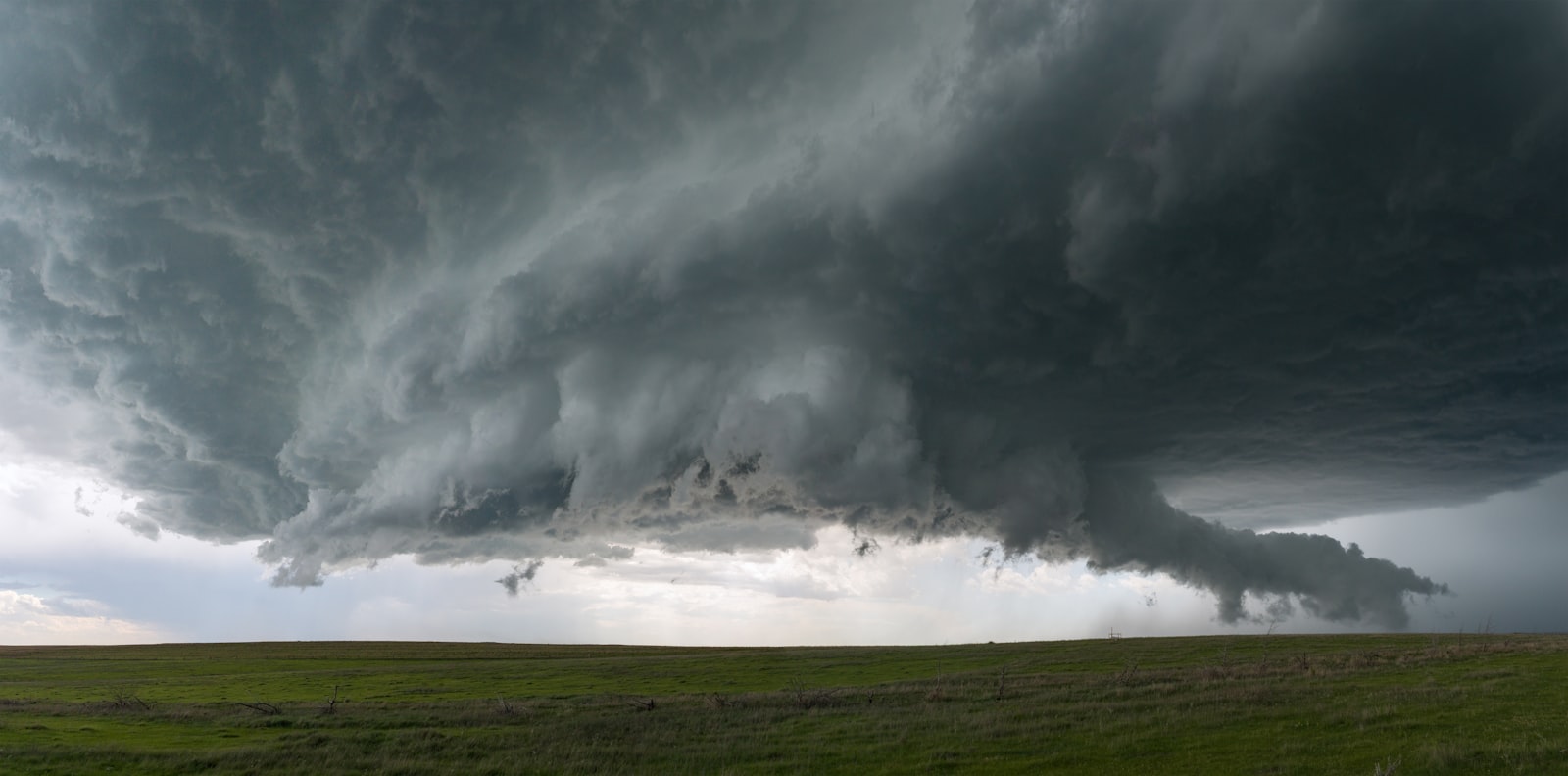
If you’ve lived in Norman for more than a spring or two, you don’t need a weather map to tell you tornadoes are part of the deal here. We’re home to the National Weather Center, the sirens get tested every Saturday at noon, and most of us can name where we were during at least one big storm.
But there’s a difference between respecting tornado season and being financially ready for it. After nearly three decades of helping Cleveland County families through storm claims, I can tell you the families who recover fastest aren’t the lucky ones — they’re the ones whose policies were set up right before the storm ever formed.
Cleveland County’s tornado history, by the numbers
This isn’t hand-wringing — it’s the local record. NWS Norman counts 111 tornadoes in Cleveland County from 1950 through 2025, which ranks 5th among all 77 Oklahoma counties. We live in one of the most tornado-visited counties in the most tornado-visited part of the country.
A few storms in that record hit close to home:
- May 20, 2013. The EF-5 that struck the Newcastle, south OKC, and Moore areas remains the storm this county measures everything else against. Per the NWS Norman storm survey, it carved a path roughly 14 miles long and was on the ground about 40 minutes. Over 300 homes experienced EF-4/EF-5 damage along the tornado path. Whole blocks in Moore had to be rebuilt from the slab up.
- May 10, 2010. An EF4 tracked 24 miles from far north Norman toward Moore and Lake Draper with a width of 2,000 yards, killing 2 and injuring 49.
- February 26, 2023. A reminder that tornado season doesn’t read the calendar: an EF2 ran 27 miles through Goldsby and the south and east sides of Norman — in February — injuring 12.
Statewide, NWS Norman’s long-term data shows Oklahoma averages 59.4 tornadoes per year, with May alone averaging 24.4. And the trend isn’t fading: 2024 produced 152 tornadoes, the highest annual total on record since 1950.
The good news: tornadoes are covered. The details are what bite.
Here’s the part that surprises people: wind damage from a tornado is a covered peril on essentially every standard homeowners policy sold in Oklahoma. You don’t buy “tornado insurance” the way you buy separate flood or earthquake coverage.
What actually determines how a tornado claim goes is a handful of policy details most homeowners have never looked at:
Your wind/hail deductible. Many Oklahoma policies carry a separate wind and hail deductible, often written as a percentage of your dwelling coverage rather than a flat dollar amount. On a well-insured Norman home, that percentage can translate into thousands of dollars out of pocket. Know your number before you need it. We walk through the math in our guide to wind and hail deductibles.
Your dwelling limit. Construction costs have climbed sharply, and a home insured at its price from five or six years ago may not carry enough coverage to rebuild today. After the 2013 storm, underinsurance was the single most painful problem families ran into. Ask your agent to re-run your replacement cost estimate — it takes minutes.
Replacement cost vs. actual cash value. Especially on roofs, some policies quietly pay depreciated value instead of the cost of a new roof. On an older roof, that difference can be enormous.
Additional living expenses (ALE). If your home is unlivable, ALE pays for temporary housing, meals, and the extra costs of being displaced. Major tornado rebuilds routinely take a year or more. Make sure your ALE limit reflects that reality — hotel and rental costs in the Norman and Moore area add up fast when thousands of families are displaced at once.
Ordinance or law coverage. If your home is older and codes have changed, rebuilding to current code costs more than rebuilding what was there. This endorsement covers the gap.
Before the sirens: a 30-minute checklist
You can’t control the weather, but you can control your paperwork. Before peak season:
- Read your declarations page. Find your dwelling limit, your wind/hail deductible, and your ALE limit. If any of them make you wince, call your agent.
- Document your home. Walk every room with your phone camera, open closets and drawers, and film the exterior. Store the video in the cloud. A ten-minute video is worth hours of arguing with an adjuster about what you owned.
- Know your safe place and your papers. Policy numbers, agent contact info, and key documents should live somewhere you can reach even if the house doesn’t make it.
- Understand the claims process now. Our archive post on what to do immediately after storm damage in Oklahoma walks through the first 48 hours step by step.
Why shopping your coverage matters here
Carriers treat Oklahoma wind risk very differently. Some are aggressive on price but pair it with high percentage deductibles or actual-cash-value roof provisions. Others cost a bit more and pay dramatically better when a storm hits. From the outside, those policies look identical.
That’s the case for working with an independent agency. We shop 22 carriers and put those differences side by side — deductible structure, roof coverage, ALE limits — so you’re choosing with your eyes open instead of finding out the hard way in May.
Talk to us before the next storm season
Oklahoma Insurance Group has been helping Norman and Cleveland County homeowners get storm-ready since 1997. If you haven’t had a real policy review in a couple of years, let’s fix that — it’s quick, it’s free, and our zero-hassle process means we do the legwork while you go about your day. Start a quote online or call us at (405) 701-5368.