Commercial Property Investor Insurance
Investment property insurance in Oklahoma depends on what each building does. A building you lease out needs a lessor's risk policy, a vacant one needs vacancy coverage, a renovation needs builder's risk, and rent houses need a landlord policy. We write all of them, in your name or your LLC's, and review the whole portfolio together.
- 24+ carriers
- Norman, OK
- No obligation
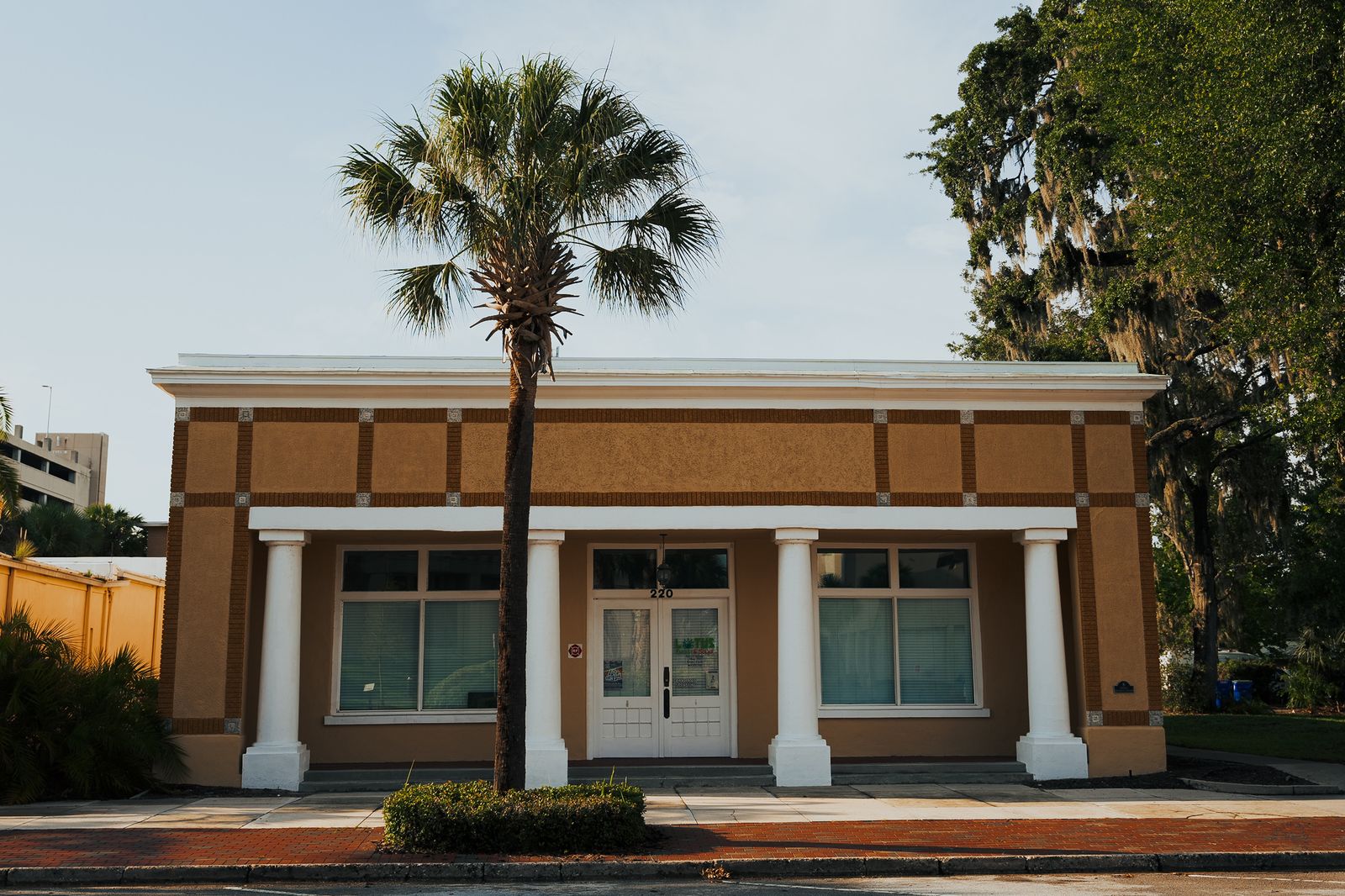
What Is Commercial Property Investor Insurance?
Investment property insurance isn't one policy. It's the right policy for each thing you own: lessor's risk for commercial space you lease out, owner-occupied property for a building your business runs from, vacancy coverage between tenants, builder's risk while you renovate, and a landlord policy for rent houses. We put the pieces side by side so the limits, deductibles and named insureds line up across your portfolio.
Why It Matters
Most investor coverage problems don't sit on any one policy. They sit between policies: a property bought last year that never got added, a building insured in your personal name when an LLC owns it, a vacancy clause that quietly kicked in, or a percentage wind and hail deductible on one building and a flat one on the next. One review of the whole schedule finds those before a claim does.
Who Needs It
Investors who own commercial buildings, rent houses, or both, across Norman and the Oklahoma City metro: owners of strip centers, offices and flex space, buy-and-hold landlords, flippers between purchase and sale, and owners who hold property in one or more LLCs.
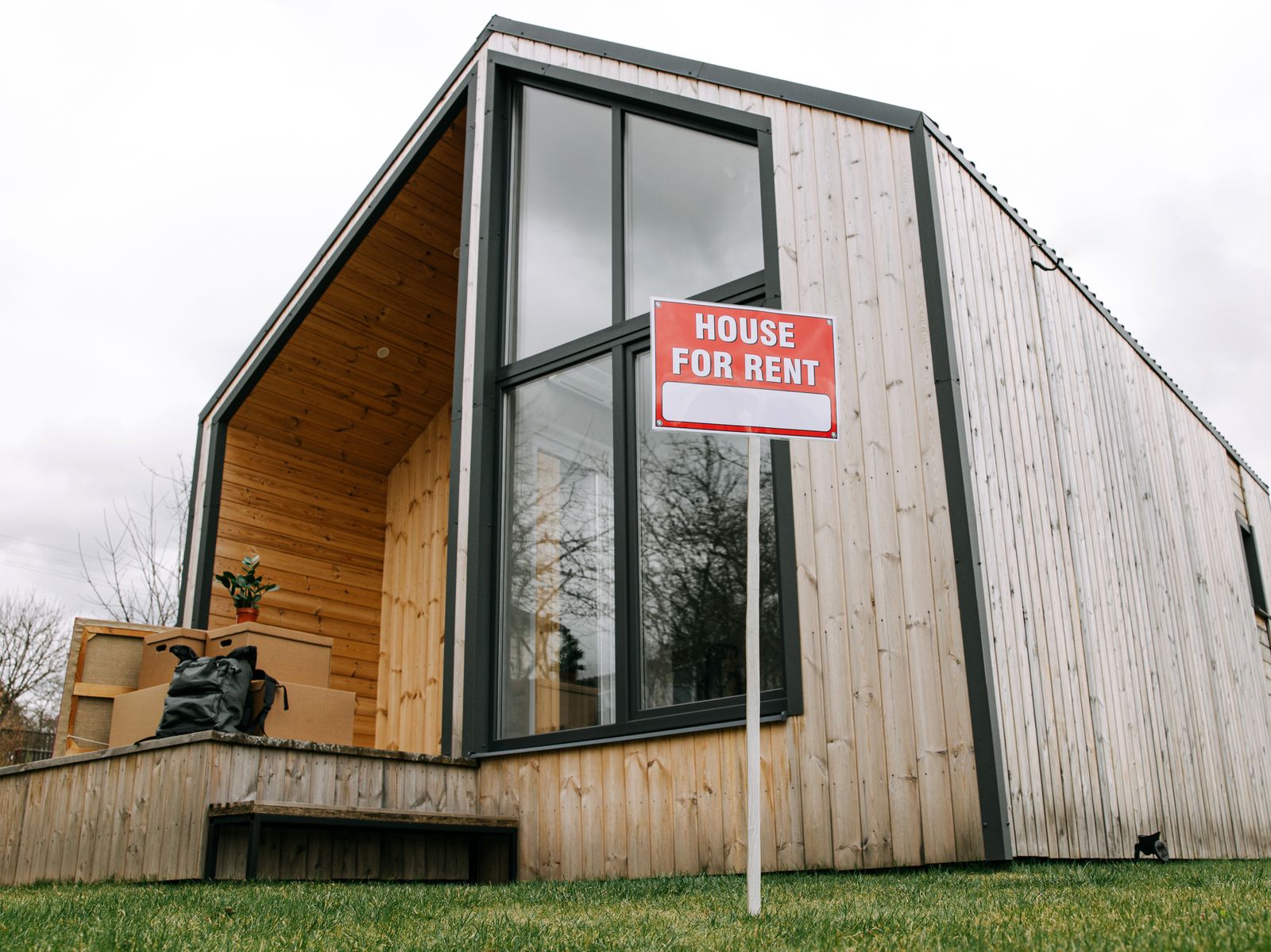
Coverage Highlights
- Building coverage at replacement cost
- Lessor's liability for common areas, lots and walkways
- Loss of rents and business income
- Ordinance or law on older buildings
- Vacancy coverage between tenants
- Builder's risk while you renovate
- One umbrella over the whole portfolio
Claims We Actually See
- Hail takes a roof and the rents stop while it is replaced.
- A building sits empty between tenants and a vacancy clause limits a water claim.
- A rent house bought last year was never added to any policy.
- The LLC owns the building but the policy names the owner personally, and the claim check stalls.
- A repair on an older building triggers code upgrades the policy did not include.
Property Types We Insure
- Lessor's risk only (LRO): strip centers, offices, retail and flex space you lease to tenants. Lessor's risk insurance →
- Owner-occupied commercial buildings your own business runs from. Owner-occupied property →
- Vacant buildings, including a building between tenants.
- Buildings under renovation, or bought to fix and sell.
- One- to four-family rentals: rent houses, duplexes and fourplexes. Residential landlord insurance →
Coverages Investors Should Look At
- Building coverage at replacement cost or actual cash value. Replacement cost pays to rebuild; actual cash value takes depreciation off first. Replacement cost vs. actual cash value →
- Lessor's liability for injuries in the common areas, parking lots and walkways you control.
- Loss of rents or business income: the rent you lose while a covered loss is being repaired.
- Ordinance or law: the extra cost when a repair has to meet current building code.
- Your wind and hail deductible: a flat dollar amount or a percentage of the building limit. In Oklahoma it is the biggest lever on price. The wind and hail deductible math → Commercial property in Tornado Alley →
- Coinsurance: insure too far below value and even a partial claim gets cut. What coinsurance means →
- Vacancy: many property policies limit coverage once a building sits empty for a set period. How vacancy affects coverage →
- An umbrella: one layer of extra liability over every property you own.
LLCs and Lenders
Insure each property in the name that owns it. If an LLC holds title, the LLC should be the named insured; you can be added, but the owner on the deed and the insured on the policy need to match, or a claim can stall while that gets sorted out.
Your lender needs to be named correctly too, usually as mortgagee, with their exact wording and address, and the loan documents often set minimum limits and a maximum deductible. Send us the lender's insurance requirements before closing, not the week of.
Your Tenants' Insurance
Require it in the lease. Commercial tenants should carry general liability that names you as additional insured, plus coverage for their own contents and improvements, and send you a fresh certificate every year. Residential tenants should carry renters insurance. Your policy covers your building; it isn't built to cover their belongings or their mistakes.
- Why it pays to make tenants carry their own coverage. Make your tenants carry insurance →
- What happens to the rent, and the mortgage, after a fire. Your rental burns. The mortgage doesn't stop. →
What We Need to Quote You
- Property address
- Year built
- Construction: frame, masonry, metal or other
- Square feet
- Roof year and roof type
- How it is occupied, and by which tenants
- Building value (what it would cost to rebuild)
- Annual rents
- Updates to the roof, wiring, plumbing, and heating and air
- Any losses in the last five years
Have a spreadsheet of your properties? Email it to service@okinsurancegroup.com and skip the typing.
Start with what you have — we'll fill the gapsLocal Considerations
Central Oklahoma wind and hail drive property pricing here, so roof age, roof type and the wind and hail deductible move the quote more than almost anything else. Older buildings in Norman and the metro also raise ordinance or law questions when a repair has to meet current code. And after a widespread storm, rebuilds take longer because everyone nearby is rebuilding too, which is why loss of rents deserves a realistic timeline.
Commercial Property Investor Insurance FAQs
What insurance do I need for an investment property in Oklahoma?
It depends on how each property is used. A commercial building you lease out takes a lessor's risk policy, a building your own business occupies takes owner-occupied commercial property, a rent house takes a landlord (dwelling) policy, a renovation takes builder's risk, and a vacant building needs coverage written for vacancy. Most investors end up with more than one of these.
Can I insure my rental properties in my LLC’s name?
Yes, and if the LLC owns the property, it should be the named insured. The name on the deed and the name on the policy need to match. We can also add you personally, and make sure the lender is listed the way the loan documents require.
Can one policy cover all of my properties?
Often several properties can be scheduled together, and our building and rental quote forms each take up to five on one request. Larger or mixed portfolios we build around your schedule of properties. Either way, we review them as a set so limits and deductibles line up.
Is my building covered while it is vacant?
Maybe not fully. Many property policies limit or exclude certain losses once a building has been empty for a set period. Tell us before a building goes vacant, or as soon as a tenant moves out, and we will make sure it is written for vacancy.
What's the difference between lessor's risk and owner-occupied?
Lessor's risk is for a building you lease to tenants and don't operate in. Owner-occupied is for a building your own business runs from, so it also needs coverage for your contents and your business income. They are underwritten differently and shouldn't be swapped.
What does my lender need from my insurance?
Usually the lender named as mortgagee with their exact wording and address, plus whatever minimum limits and maximum deductible the loan documents set. Send us the lender's requirements before closing and we'll match them.
Should I insure the building for what I paid for it?
No. Purchase price includes the land and reflects the market, not what it costs to rebuild. Insure to rebuild cost, and revisit it as construction prices move, so a partial claim isn’t cut for being underinsured.
Read Next
- Replacement Cost vs. Actual Cash Value: One Insurance Detail That Can Cost You Thousands!
- Property Owners: How Vacancy Affects Insurance Coverage
- Property Owners: What Co-Insurance Means and Why It Matters
- Commercial Property in Tornado Alley: Lessons from Moore 2013
- Why Should I Make My Tenants Carry Insurance?
Last reviewed October 2026.
Get a Commercial Property Investor Insurance Quote
We shop 24+ carriers and walk you through the options — no obligation, no runaround.
Request a QuotePart of Commercial Property
Your building, equipment, and inventory keep the business running — commercial property insurance makes sure a storm or fire can’t take them away for good.
See all commercial propertyInformation is general in nature and may not reflect your specific situation. Contact us for personalized guidance.
Let's Talk About Your Coverage
No sales pitch — just a conversation about what you need and what your options look like.