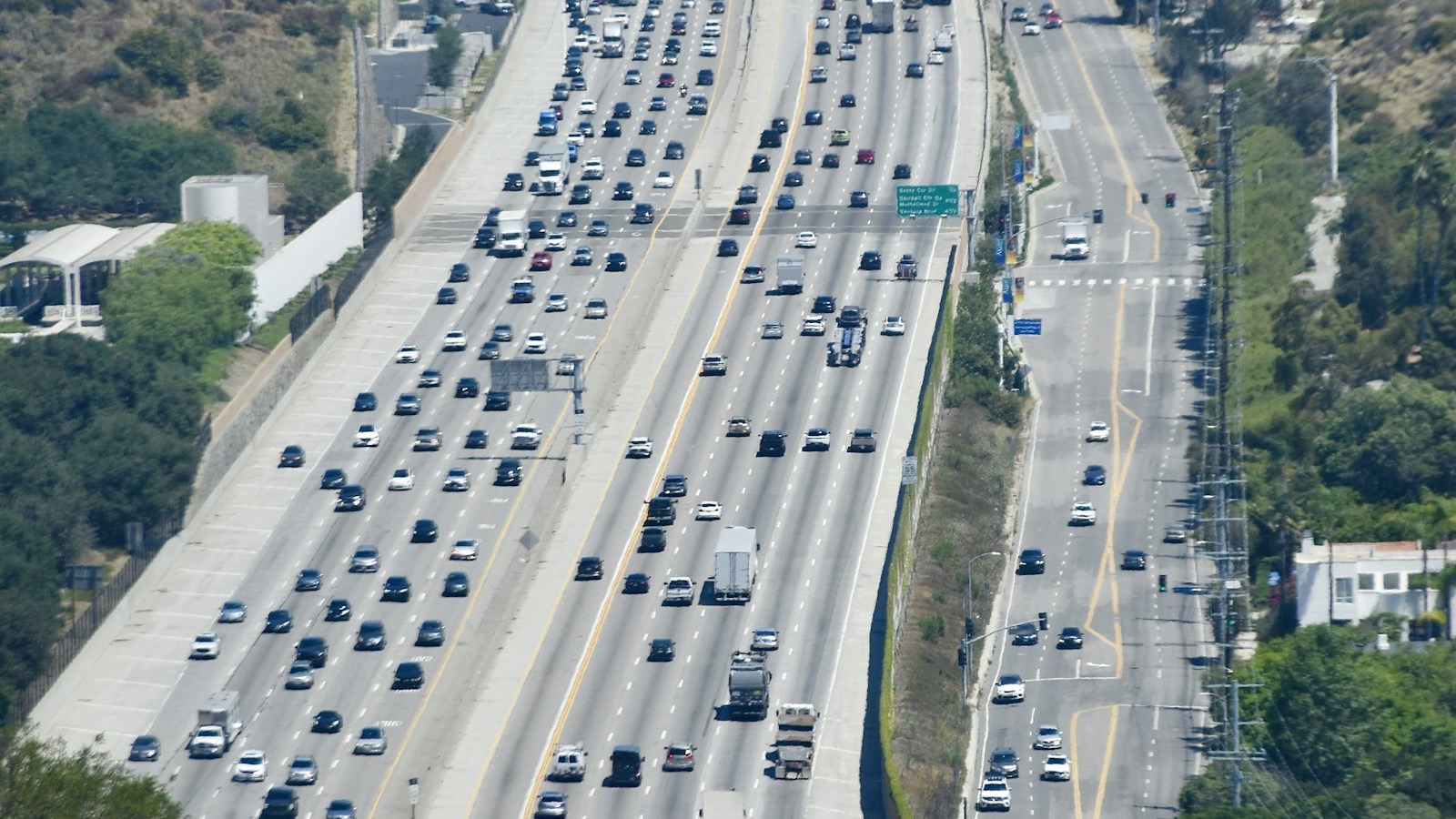
Somebody picked $100,000 for your auto or homeowners liability limit years ago. Maybe it was you, maybe it was the agent, maybe it was just what the last policy had. At the time it sounded like a lot of money. Then one afternoon you run a red light on Main Street in Norman and the other driver ends up in surgery, with months of missed work. The limit didn’t change, but nearly everything it pays for got more expensive. That’s why $100,000 of liability often buys less protection than it did when it was chosen.
What does a liability limit actually do?
It’s a ceiling. When you’re legally responsible for injuring someone or damaging their property, your liability coverage pays the claim, and in most forms your legal defense, up to the limit. Once the limit is used up, the policy is done. Whatever is left is between you and the person who was hurt.
That leftover amount can follow a person for years: savings, home equity in some situations, and future wages can all come into a judgment.
Why doesn’t $100,000 go as far anymore?
Because the parts of a claim keep getting more expensive, and limits tend to sit still.
- Medical care. The National Safety Council puts the average economic cost of a disabling motor-vehicle injury at $174,000 for 2024. That one average is already past a $100,000 limit, before anyone talks about pain and suffering.
- Lost wages. An injured person’s lost income is part of what a liability claim pays. Higher wages mean bigger claims.
- Vehicles and property. Newer cars and trucks cost more to repair or replace, which matters for property damage liability.
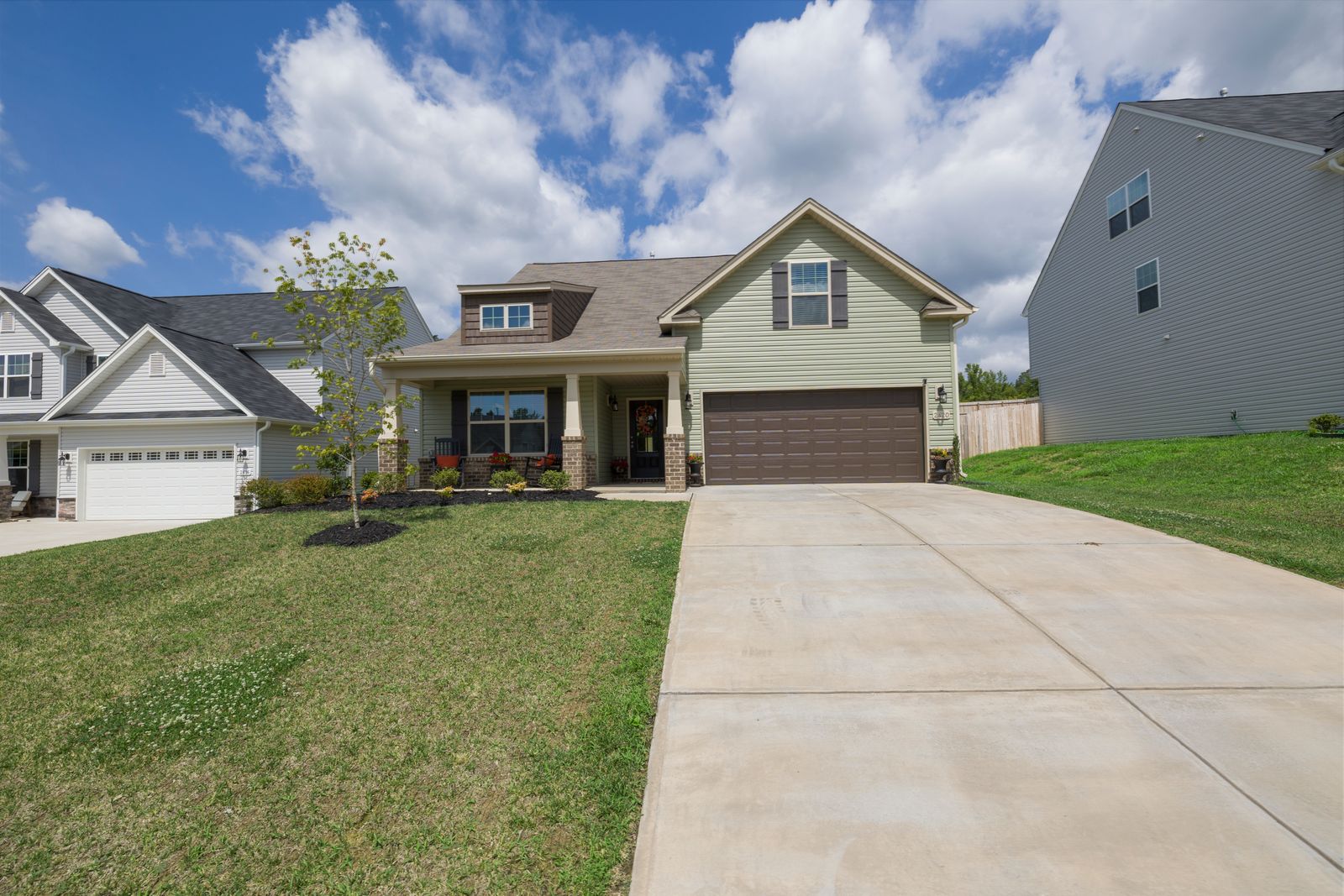
- Home claims too. Triple-I and State Farm report the average dog-related injury claim reached $65,450 in 2025, up 97% from 2016. One bite at a backyard cookout can use up most of a smaller homeowners liability limit.
None of these numbers describe what would happen to you. They show the direction costs have moved, and that a limit set ten years ago was set for a different price level.
Do my auto and home policies share one limit?
No. Each policy has its own liability limit. Your auto policy’s bodily injury limit applies to car accidents. Your homeowners policy’s personal liability limit applies to injuries at home and many incidents away from home. Raising one doesn’t raise the other.
That’s part of why an umbrella policy exists. It sits on top of both, and on top of other policies like a boat or a rental property, and adds one larger layer of liability protection, often in million-dollar increments. Our archive piece on umbrella policies as an extra layer of liability protection explains the structure.
How does an umbrella fit with the policies underneath?
Umbrella policies usually require minimum limits on the underlying policies, for example a certain auto bodily injury limit and a certain homeowners liability limit. The umbrella then picks up where those stop. If the underlying limits are too low, there can be a gap between where they end and where the umbrella begins.
So the conversation usually isn’t “buy an umbrella” by itself. It’s whether the auto limit, the home limit and the umbrella line up with each other.
Here’s an illustration, not a quote
Say a judgment after a car accident comes to $400,000. With $100,000 of auto bodily injury liability and no umbrella, $300,000 is left over. With $250,000 of auto liability and a $1 million umbrella above it, the whole amount fits inside the coverage. The difference is in how the layers stack. We can price the options so you see the real number.
Who tends to look at higher limits first?
- Homeowners with real equity or savings they’d like to keep out of a lawsuit
- Families with teen drivers
- People with a pool, a trampoline, a dog, or a lot of guests
- Anyone who owns a rental house, a boat, or powersports toys
- People whose income has grown since the policy was first set up
Let’s see how your layers stack
If you don’t know your current auto and homeowners liability limits, that’s the place to start. Take a look at our umbrella insurance options, or request a quote and we’ll line up your auto, home and umbrella limits side by side. You can also call (405) 701-5368.
This article is general information about how coverage typically works, not advice about your specific situation. No two insurance contracts are the same, and your policy is the only thing that says what you have. If you’d like someone to read it with you, that’s what we’re here for.