When a shop in Norman or the OKC metro is told it needs a bond, the ask is usually very specific: a license or permit bond, a Construction Industries Board contractor bond, a notary bond, a bid bond, or an ERISA bond for a retirement plan. A surety bond is a three-party arrangement. The business is the principal, the agency or project owner that required the bond is the obligee, and the surety is the company that stands behind the obligation if the principal does not fulfill it.
How a bond is underwritten
A surety looks first at whether it is comfortable standing behind the applicant. Credit is a large part of that review. Most bonds also come with an indemnity agreement, which is how the surety can look back to the business — and often to the owners — if it has to pay a claim on the bond. A thinner credit file does not always close the door, but it can change the rate or the collateral a surety asks for. The dollar figure printed on the bond form is the penal sum, the amount the obligation is written for, not a premium.
That underwriting is why two shops in Cleveland County can be asked for the same kind of bond and not get the same terms.
License, permit, and CIB contractor bonds
Many Oklahoma trades and businesses are asked for a license or permit bond before they can operate. The form is usually written to the city, the state, or a licensing board, and the condition is that the business will comply with the rules that come with the license.
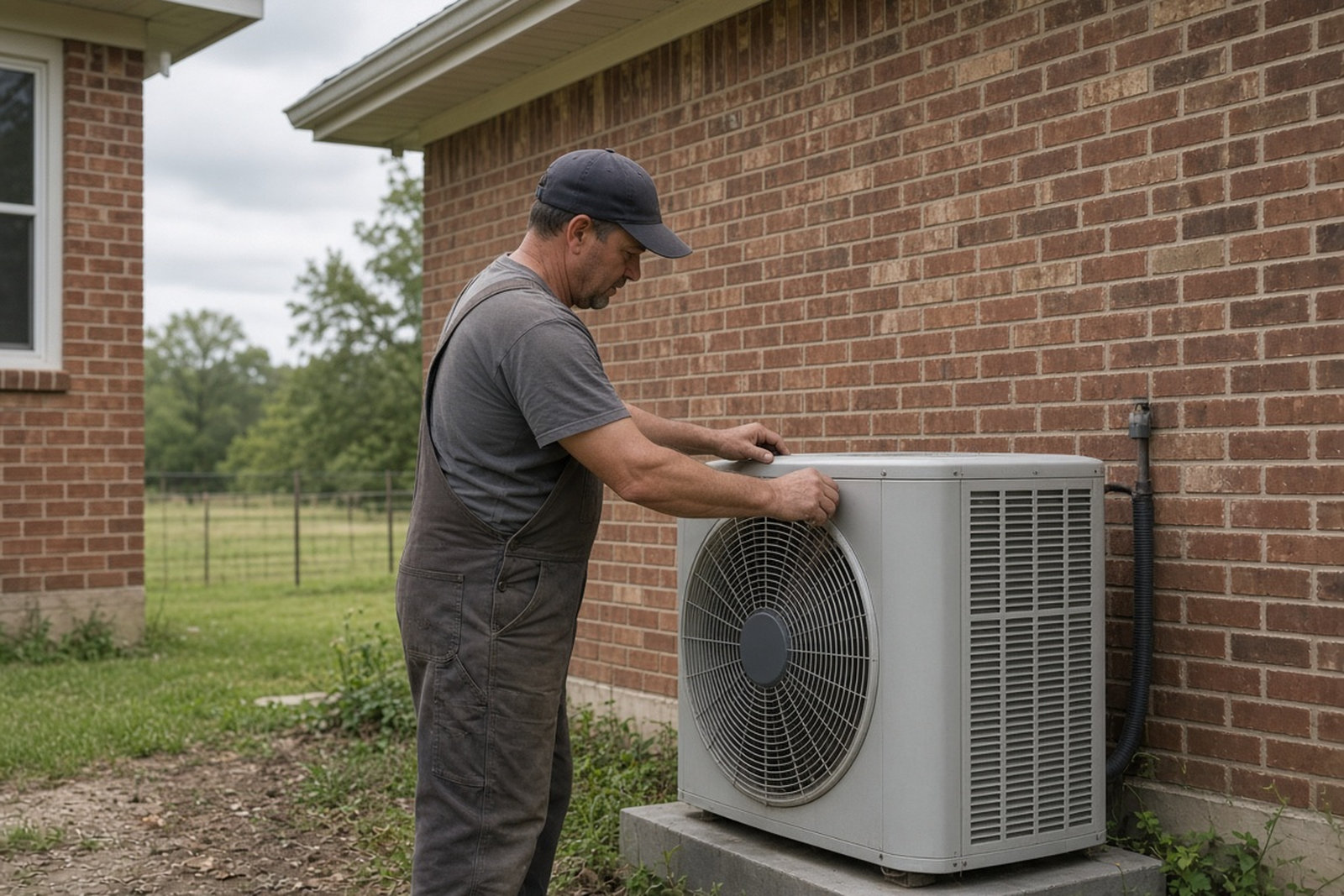
For electrical, mechanical (HVAC), and plumbing contractors, the Construction Industries Board is specific. To keep an active contractor license, the CIB requires a $5,000 continuous corporate surety bond, in the individual license holder’s name, payable to the Board, with 30 days’ cancellation notice. It also requires a certificate of commercial general liability of at least $50,000, with the license holder named and the CIB listed as certificate holder. If the bond or the insurance lapses, the license becomes inactive, and the CIB states that contracting without current insurance and an active license is a violation.
Those figures are a licensing floor, not a reading of what a job or a general contractor may ask for. We walked through the HVAC side in What Happens When an Oklahoma HVAC Contractor’s CIB License Goes Inactive? and the electrical side in Oklahoma Electrical Contractors: What the CIB’s $50,000 Insurance Rule Does and Doesn’t Settle.
Notary bonds in Oklahoma
Oklahoma notaries file a $10,000 surety bond with the Secretary of State. The bond, the oaths, the official signature, an impression of the seal, and a $25 filing fee are due within 60 days after the commission is issued. The Secretary of State’s getting-started page is plain: a notary may not perform a notarial act until that bond has been accepted and filed. The bond term runs with the commission.
ERISA bonds for retirement plans
A private-sector 401(k) or similar plan is a different kind of ask. Federal law requires people who handle plan funds or other property to be covered by a fidelity bond that protects the plan from losses caused by fraud or dishonesty. The U.S. Department of Labor’s overview says each person generally must be bonded for at least 10 percent of the funds that person handled in the preceding year, not less than $1,000, and that the Department cannot require a plan official to be bonded for more than $500,000 — or $1,000,000 for plans that hold employer securities. That is a federal rule, not an Oklahoma license bond, but it is one of the bond requests Oklahoma employers with a retirement plan run into.
Bid bonds
When a contractor bids a public or private job, the bid package often asks for a bid bond. The usual purpose is to give the project owner financial backing if the selected bidder does not enter the contract or does not furnish the later performance and payment bonds the job requires. Underwriting still comes back to credit, the work being bid, and the indemnity agreement.
If a form says a bond is required
If a license form, a bid package, or a plan audit in Cleveland County or the OKC metro says a bond is required, we can walk through which kind it is and how the underwriting usually works. See our surety and license bond options, request a commercial quote, or call (405) 701-5368 — that is everyday work for our Norman office.
This article is general information about how coverage typically works, not advice about your specific situation. No two insurance contracts are the same, and your policy is the only thing that says what you have. If you’d like someone to read it with you, that’s what we’re here for.