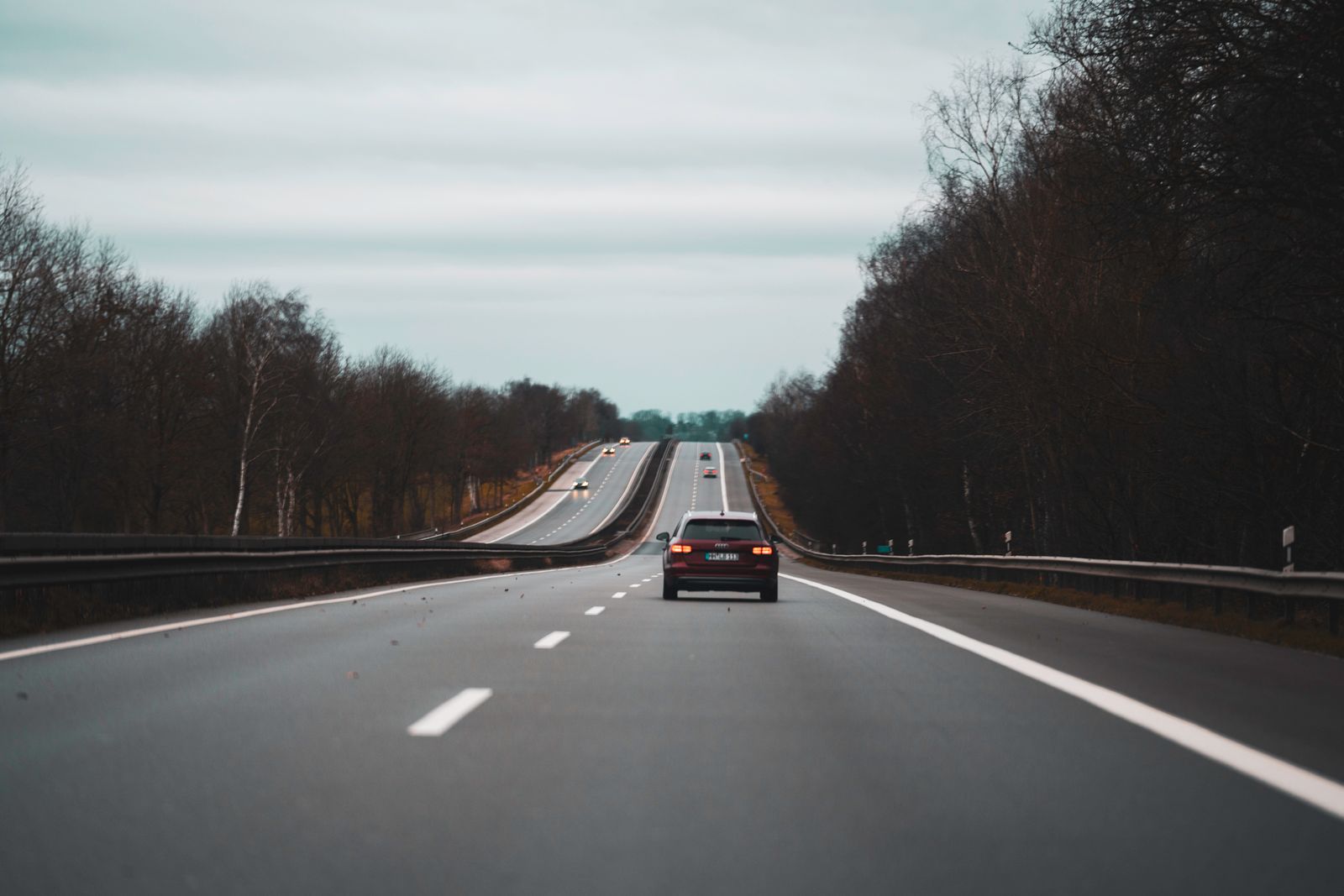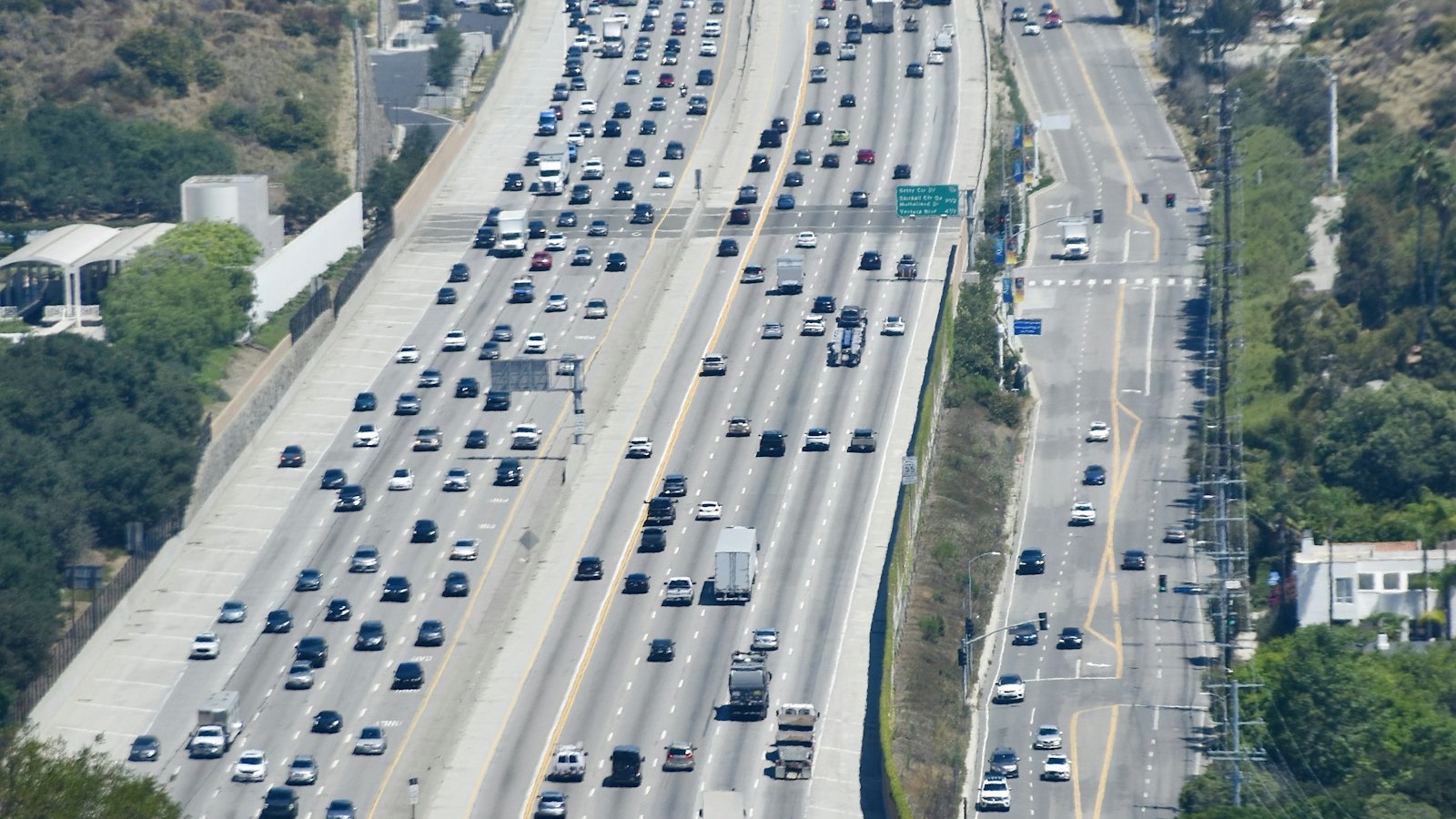
It’s 2:15 on a Tuesday afternoon. Your phone rings, and it’s one of your crew calling from the shoulder of I-35 near Moore. He rear-ended a car at a slowdown in the company pickup. Nobody seems badly hurt, but the other driver is holding her neck and the truck’s grille is in the road. Here’s what usually happens next. The business’s commercial auto policy generally responds first, because it’s the company’s truck being driven for company business. Liability handles the other driver’s injuries and car. Physical damage coverage, if the truck carries it, handles your truck, less your deductible. And how the next few hours go has a lot to do with how smoothly the claim goes.
Whose policy is first in line?
In Oklahoma, as in most states, auto insurance generally follows the vehicle. The Oklahoma Insurance Department explains it this way for personal cars: the owner’s coverage goes with the car when the owner has given someone permission to drive it. A company truck works on the same principle. When an employee is driving a business-owned vehicle with permission, on the job, the business’s commercial auto policy is typically the primary coverage.
The employee’s own personal auto policy usually isn’t the first stop, and many personal policies limit coverage for vehicles furnished for someone’s regular use. That’s one reason commercial auto exists as its own product.
Liability: the other driver and the other car
Liability is the part of the policy that pays for injuries and property damage your driver causes to other people, up to the limits on the policy. Oklahoma’s legal minimum is 25/50/25: $25,000 per person and $50,000 per accident for bodily injury, and $25,000 for property damage. That’s a floor, not a measure of what a crash costs. A neck injury that turns into months of treatment, plus a newer SUV, can reach past those numbers quickly. Most businesses carry well above the minimum, and the reasoning is simple: the business is what’s on the line once a claim goes past the policy limit.
Physical damage: your truck
Fixing the company truck is a separate question. That’s handled by physical damage coverage, meaning collision and comprehensive, written vehicle by vehicle. If an older truck was put on liability only to keep premiums down, the repair may be entirely the business’s cost. If it carries collision, the deductible comes off the top. A $1,000 deductible on one truck isn’t much. The same choice across a fleet of eight trucks is a bigger decision.
Equipment permanently attached to the truck, like a utility bed, rack or toolbox, is often treated differently from loose tools riding in the back. We cover that in what happens when $20,000 of tools disappear overnight.
Driving records: the part that follows you
After a claim, the carrier will look closely at the driver. Most commercial auto carriers review motor vehicle records (MVRs) for everyone who drives company vehicles, and they have guidelines on tickets, at-fault accidents and DUIs. A driver with a rough record can lead to a surcharge, an exclusion, or a carrier declining to list that person at all. One bad record can affect pricing for the whole account. Checking MVRs before someone gets the keys, and again each year, is one of the least expensive risk controls a business has.
It’s also worth knowing who actually drives. Employees running errands in their own cars, or in a rental, raise a different question, often handled through hired and non-owned auto coverage. We wrote about that in why hired and non-owned auto matters.
Reporting: what the business controls
Oklahoma averaged about 169 reported crashes a day in 2020. Every one of them generated paperwork, and the claims that go smoothest usually have a few things in common:
- The driver called police when there were injuries or significant damage, and got the report number.
- Photos of both vehicles, the scene, and the other driver’s license plate and insurance card were taken before anything was moved.
- The driver didn’t argue fault or promise to pay at the scene.
- The business reported the claim to its agent or carrier the same day, not after the other driver’s attorney called.
A simple one-page accident card in each glovebox, with that list and our phone number, does more good than people expect.
Policies vary on limits, deductibles, driver rules and reporting requirements. Your policy is the thing that answers how a crash in your truck would be handled.
Before the next phone call
If your business runs trucks and you’d like to go over drivers, limits and deductibles, take a look at our commercial auto options, or call (405) 701-5368. We work with businesses across the OKC metro, and we’d rather have this conversation now than from the shoulder of I-35.
This article is general information about how coverage typically works, not advice about your specific situation. No two insurance contracts are the same, and your policy is the only thing that says what you have. If you’d like someone to read it with you, that’s what we’re here for.