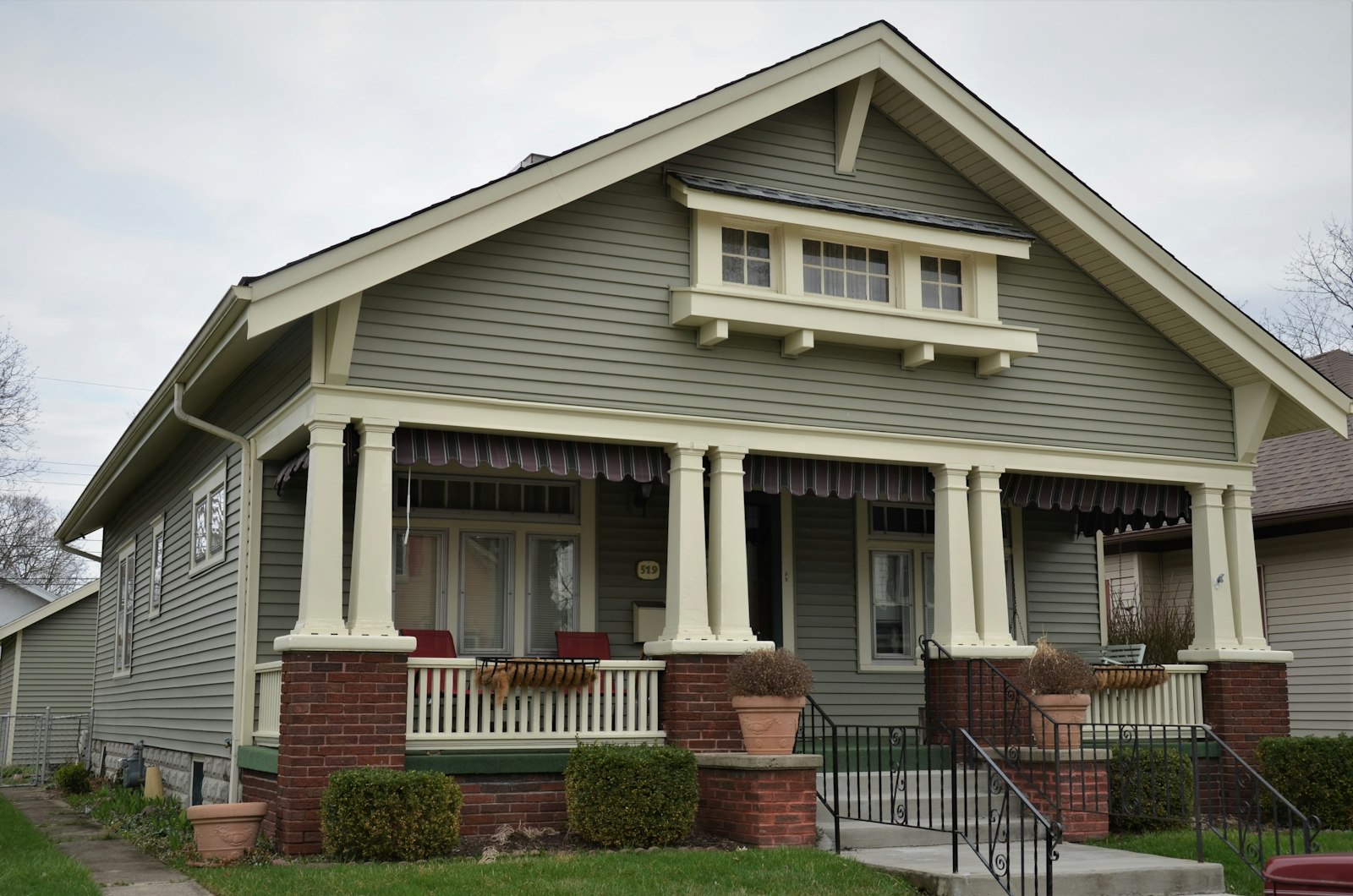
The question we hear after almost every Norman hailstorm is some version of this: if I file the claim, will my homeowners rate jump? The honest answer is that a claim can show up in how a carrier prices the next renewal — and that the bigger dollars on many Oklahoma roofs sit somewhere else. Roof settlement language and the wind/hail deductible often move more money than the rate conversation alone. That is why this pairs with our October piece on how a 15-year-old roof gets paid.
Oklahoma had 369 major hail events in 2025, third most in the United States per the Insurance Information Institute. Wind and hail were also the largest single cause of U.S. homeowners losses in 2023, at 42.5%. Cleveland County alone has recorded 111 tornadoes since 1950. Around here a hail claim is not a remote possibility. The decision is whether to open a claim on a specific loss — and what the contract already says about the roof and the deductible.
Can a hail claim affect the renewal?
Yes, it can. Homeowners pricing often looks at claim history alongside other rating factors. How much a single hail claim moves a renewal depends on the carrier, the size of the claim, how recent it is, and what else is on the account. Some companies weigh property claims more heavily than others. Some treat weather claims differently from liability claims. Policies and underwriting guidelines vary, so a neighbor’s experience is a weak guide to yours.
What we do not do is invent a statewide “average” surcharge. There is not a single Oklahoma number that answers “how much will my rate go up.” The declarations page and the renewal offer are what answer it for your house.
Why the settlement math often dwarfs the rate question
Picture a spring hailstorm across Norman. The roofer says the roof is a total loss. The roof went on fifteen years ago. Before anyone argues about next year’s premium, the claim still has to settle under the policy you already have.
If the roof settles at replacement cost, the check is closer to the cost of a new roof of like kind and quality (often with a recoverable depreciation step). If the roof settles at actual cash value, depreciation for age and wear comes off first. Then the wind/hail deductible — often a percentage of the dwelling limit, not a flat dollar — comes off the top of whatever that settlement is. We walked through that stack with round-number illustrations in the 15-year-old roof article and in the wind/hail deductible math.
Here is the practical point. Two households can file similar hail claims. One has a newer roof at replacement cost and a manageable deductible. The other has an older roof at ACV and a 2% wind/hail deductible on a $300,000 dwelling limit. The second household can see thousands of dollars less in the claim check even before anyone talks about renewal pricing. The rate question still matters. It is not the only line on the page.
When people still file — and when they pause
People around Cleveland County usually file when the damage is large enough that the claim payment, after the deductible, still covers a meaningful share of the repair — or when the lender expects storm damage to be reported and repaired. They pause when the estimate sits close to the deductible, when the roof is already near the end of its expected life and ACV would leave a thin check, or when they want to confirm the roof settlement terms first.
Cosmetic-damage exclusions add another wrinkle on metal roofs and gutters: dents that do not affect function may be unpaid on some forms even when the house will wear those dimples for years. That language lives in the policy, not in the adjuster’s first phone call.
None of those are rules of thumb pretending to be advice. They are the decision points we hear when someone sits down with the estimate and the declarations page side by side.
What to read before the next storm
A short list that usually answers more than “will my rate go up”:
- How does this policy settle the roof — replacement cost, ACV, or an age-based schedule?
- Is the wind/hail deductible a flat dollar or a percentage, and what is that percentage in dollars on your dwelling limit?
- Is there a cosmetic-damage exclusion on the roof, gutters, or both?
- After a reroof, does the company have the correct install date on file? Our note on whether a new roof lowers homeowners insurance covers that paperwork side.
Your policy is the thing that answers all four. A Facebook thread about someone else’s renewal does not.
Let’s read the claim and rate pieces together
If you have hail damage on the estimate and you want a plain read on settlement language before you decide whether to open a claim, that is everyday work for our office in Norman. Start with home insurance, request a personal quote when you are ready, or call (405) 701-5368 and we will go through the roof section and the deductible page with you.
This article is general information about how coverage typically works, not advice about your specific situation. No two insurance contracts are the same, and your policy is the only thing that says what you have. If you’d like someone to read it with you, that’s what we’re here for.