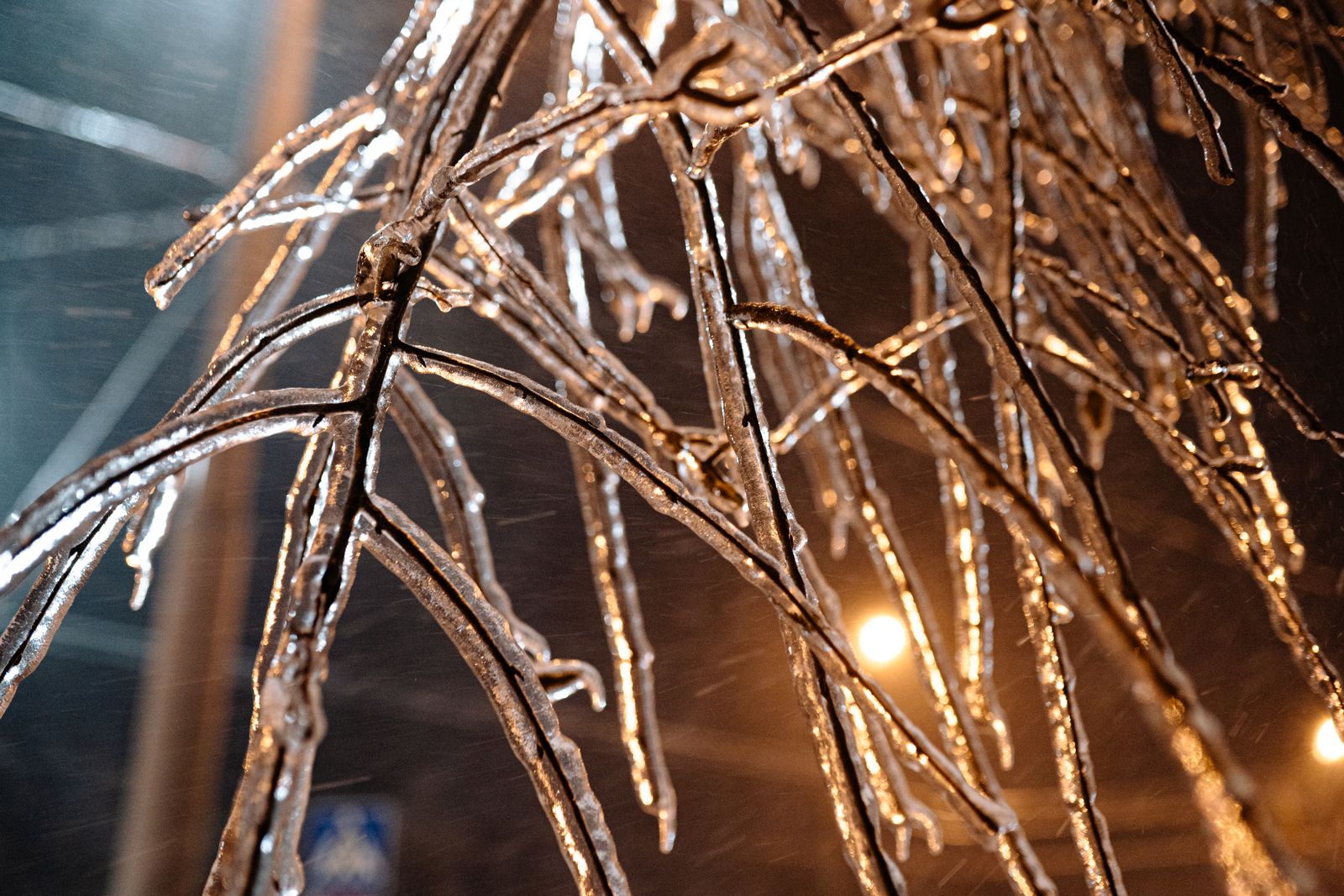
Six years ago this month, an October ice storm coated still-leafy trees across central Oklahoma, and the limbs came down by the thousands. Cleveland County was part of the federal disaster declaration that followed. If the big oak in your yard comes down in the next storm, the general rule is that each property’s own policy responds to its own damage: your homeowners policy for your house, the car’s auto policy for the car, your neighbor’s policy for their house. That’s true whoever planted the tree. Owning the tree doesn’t automatically make you responsible for where it lands.
Here’s how the common landing spots usually sort out.
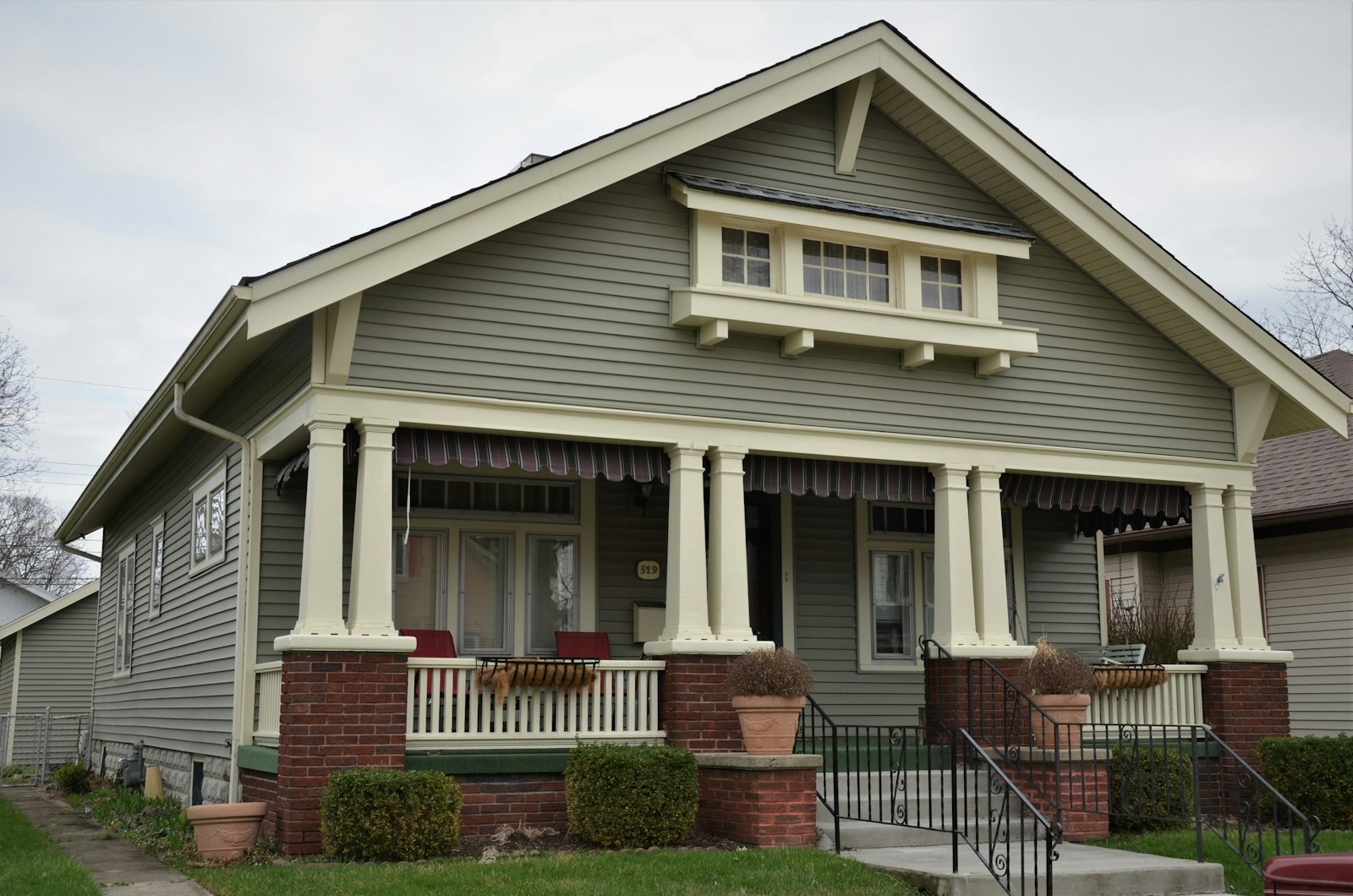
The tree lands on your house
If wind, ice or lightning brings your tree down on your roof, the claim generally goes to your own homeowners insurance. Most homeowners forms treat damage to the house from a falling tree like any other covered storm damage. That means your deductible applies, including a percentage wind/hail deductible if the cause was wind.
Removal is a separate question. Many policies pay something toward getting the tree off the house and hauled away, but the amount is often limited and spelled out separately in the policy. Cutting it up after it’s down is usually a different bill than repairing the roof it fell on.
The tree lands on your car
People are surprised by this one. A tree or limb falling on a vehicle is typically an auto claim, handled under that car’s comprehensive coverage, not under homeowners insurance. The Oklahoma Insurance Department lists falling tree limbs right alongside hail and fire as the kind of damage comprehensive coverage is for. If the car carries only liability, there may be no coverage for that damage on either policy. Our post on hitting a deer walks through how comprehensive deductibles work.
The tree lands on your fence or shed
Fences, detached garages, sheds and other structures that aren’t attached to the house usually fall under a separate part of the homeowners policy, often called “other structures.” It has its own limit, typically a share of the dwelling limit. A long run of privacy fence can add up faster than people expect.
The tree falls and hits nothing
Here’s the wrinkle. If a healthy tree blows over in the backyard and doesn’t damage the house, a fence, or anything else covered, many policies pay little or nothing to remove it. Some pay a limited amount when a fallen tree blocks a driveway or a wheelchair ramp. Otherwise, a tree lying across the lawn is often the homeowner’s job to clean up.
Your tree lands on your neighbor’s house
This is where neighbors get tense, so it helps to know the usual pattern. If your healthy tree goes down in a storm and lands on the house next door, your neighbor’s own homeowners policy typically handles their damage. Their insurer usually doesn’t go after you just because the tree started on your side of the fence. A healthy tree knocked over by an ice storm is generally treated as nobody’s fault.
The picture changes with negligence. If the tree was obviously dead, rotting or leaning, and you’d been told about it, the neighbor’s insurer may look at whether you failed to deal with a known hazard. In that case the claim can turn into a liability question, and liability is the part of your homeowners policy that responds to claims that you were at fault. The same logic runs the other way: if a neighbor’s dead tree you’d warned them about lands on your roof, your insurer may pursue them after paying your claim.
Why this keeps coming up around Norman
Wind and hail are the largest single cause of homeowners losses in the country, at 42.5% of losses in 2023, and a big share of those claims start with a tree. Cleveland County has had 20 major federal disaster declarations since 2000, including the October 2020 ice storm and the February 2021 winter storms. Mature trees are part of what makes the older parts of Norman and Moore pleasant to live in. They’re also part of why storm claims here so often include a chainsaw.
What to look at on your own policy
- What’s the deductible for wind and ice damage, and is it a flat amount or a percentage?
- How much does the policy pay for tree and debris removal, and when?
- What’s the “other structures” limit, and would it rebuild your fence and shed?
- Do the cars carry comprehensive coverage?
Policies vary on these points more than people expect. Your policy is the thing that answers them for your house. A dead tree hanging over the roof is also worth a call to an arborist well before the next storm.
Let’s take a look before winter
If you’ve got big trees around the house and aren’t sure how a storm claim would play out, look over our homeowners insurance options, or call (405) 701-5368 and we’ll go through it with you. We’ve been reading these policies for Cleveland County homeowners since 1997.
This article is general information about how coverage typically works, not advice about your specific situation. No two insurance contracts are the same, and your policy is the only thing that says what you have. If you’d like someone to read it with you, that’s what we’re here for.